Automotive digital signage is changing how dealerships, service centers, and automotive businesses communicate with customers. Static posters and printed signs no longer meet expectations. Today’s buyers expect fast, visual, and interactive experiences the moment they walk in.
If you want to capture attention, increase sales, and modernize your customer experience, automotive digital signage is one of the most effective tools available.
This guide breaks down exactly what it is, how it works, and how to implement it successfully.
What is digital signage for car dealerships?
Digital signage for car dealerships refers to the use of digital displays to communicate information, showcase inventory, and improve the customer experience across your showroom floor, service waiting area, and reception desk. It replaces static printed materials with dynamic screens you can update instantly — from anywhere.
For dealerships specifically, this means rotating vehicle promotions on the showroom floor, transparent service menus in your service center, and entertainment in your waiting area, all managed from one platform.
Common display types include showroom screens, reception TVs, outdoor LED displays, and interactive kiosks.
How digital signage differs from traditional dealership signage
Traditional signage still has a place in dealerships, but it has real limitations. You print it once, and it stays the same until you pay to replace it. Pricing changes, offers expire, and new models arrive — but your signage lags behind.
That creates friction. Customers see outdated promotions. Staff spend time explaining what the sign got wrong. Opportunities to upsell are missed because the right message wasn't visible at the right moment.
Digital signage removes that lag entirely.
Why car dealers should use digital signage
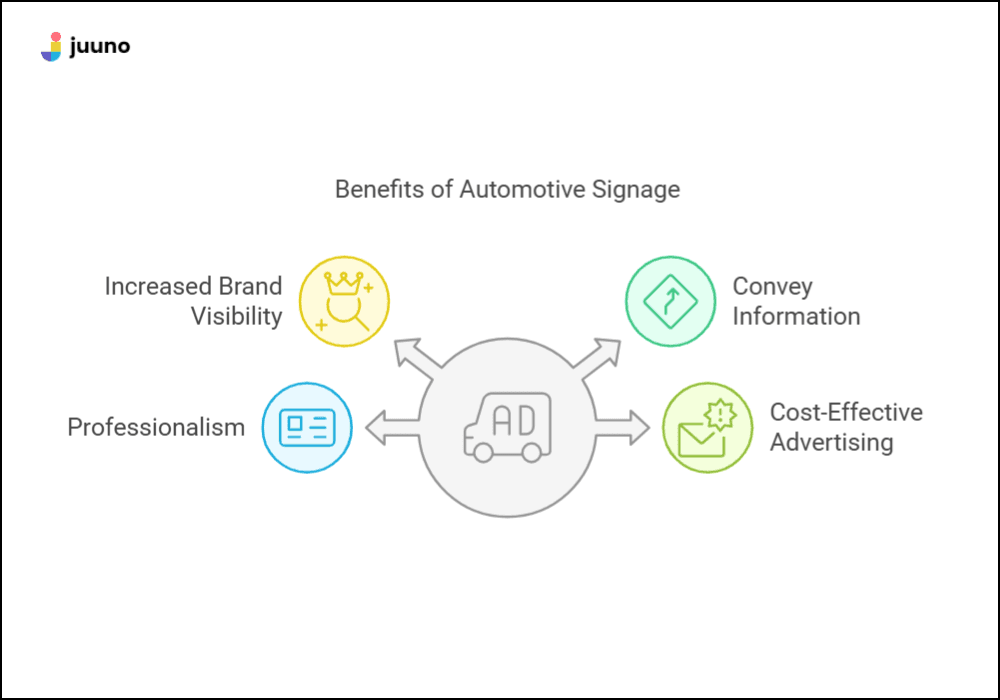
Automotive digital signage delivers several clear advantages. It goes beyond simply replacing printed signs and instead transforms how you communicate, sell, and engage with customers in your physical space. When used effectively, it becomes a powerful tool that influences buying decisions, improves customer satisfaction, and streamlines your operations.
Dynamic content: Automotive digital signage enables businesses to update information, advertisements, special offers, and promotions quickly and efficiently, allowing content to stay timely and relevant.
Improved engagement: Interactive displays capture more attention than static signs, helping increase customer interest, interaction, and ultimately sales.
Better customer experience: Visitors can explore options, watch videos, and learn at their own pace instead of waiting for assistance, which creates a smoother and more enjoyable journey.
Reduced perceived wait times: When customers have something engaging to watch or interact with, waiting feels shorter and less frustrating.
Increased revenue opportunities: Digital signage allows you to highlight promotions, upsell services, and guide customers toward higher-value decisions at the right moment.
Together, these benefits make automotive digital signage one of the most effective ways to modernize your business and drive measurable results.
Where digital signage makes the biggest difference in a dealership
Car dealerships are one of the highest-stakes retail environments in any industry. The average customer visit lasts several hours, involves a significant financial decision, and depends heavily on trust. That combination makes every touchpoint matter.
Digital signage addresses three of the most common friction points dealerships face.
On the showroom floor, screens do the work a salesperson cannot always be available to do, explaining features, showing vehicles in motion, and displaying current financing offers without the pressure of a direct conversation.
In the service department, transparency is everything. Displaying your service menu, estimated wait times, and repair explanations on screen reduces the uncertainty that makes customers hesitant. Customers who understand what they are paying for are more likely to approve additional work.
In the waiting area, engaged customers are patient customers. Screens showing relevant content—new model features, maintenance tips, current promotions—keep attention on your business instead of a phone screen.
Together, these three areas cover the full customer visit from arrival to departure.
5 best digital signage use cases for car dealerships
The success of digital signage depends heavily on content. The screens themselves are only part of the equation.
1. Promotions and sales campaigns
If you have an upcoming sales event, get customers excited and generate foot traffic by advertising it with your digital signage long before the sales occur.
You can promote limited-time offers, financing deals, and seasonal campaigns. Because the content is easy to update, you can adjust messaging quickly based on performance.
2. Digital vehicle catalogs
Digital catalogs allow you to showcase your inventory visually. You can include images, videos, specifications, and comparisons.
This helps customers move closer to a decision without needing constant assistance. It also makes your showroom feel more modern and informative.
3. Customer testimonials and reviews
User-generated content and testimonials can be displayed to promote your brand or product.
Displaying real customer feedback builds trust. It also reinforces buying decisions while customers are still in your space.
4. Waiting area entertainment
Digital signage can reduce perceived wait times by over 35 percent by entertaining customers.
You can display news, car-related content, or short videos that educate customers about services. This keeps them engaged and improves their overall experience.
5. Internal communication
Digital signage is not just for customers. It is also a powerful internal tool.
You can share announcements, celebrate employee milestones, and display performance metrics. This keeps your team informed and motivated.
Types of automotive digital signage displays
Not all screens serve the same purpose. Choosing the right type of display depends on your goals and environment.
Indoor displays
Indoor displays include showroom screens, reception TVs, and video walls. These are ideal for promotions, product education, and branding.
They are often the first thing customers see when they walk in.
Outdoor digital signage
Outdoor signage helps you capture attention before customers even enter your business.
LED billboards, window displays, and forecourt screens can promote offers and draw in traffic. They act as a digital storefront.
Interactive kiosks
Interactive kiosks allow customers to take control of their experience.
They can explore vehicles, compare options, and even begin the buying process. This reduces pressure on staff while improving customer satisfaction.
What you need to set up digital signage for the first time
Setting up digital signage is simpler than many businesses expect.
Hardware requirements
A simple setup requires a smart TV and a digital signage app that works in a web browser.
Most businesses can start with standard screens and scale over time. Larger operations may choose commercial-grade displays or additional media players, but these are not always necessary.
Digital signage software
Digital signage software allows you to manage content, schedules, and screens from one place.
This is the core of your system. It controls what appears on each screen and when.
Platforms like Juuno make this process simple. You can build playlists of content, schedule when they play, and update everything remotely. You can also pull in content from social media, videos, and design tools like Canva.
The goal is to keep content fresh without adding complexity.
Content strategy
Content determines whether your signage succeeds or fails.
You should rotate content regularly so screens stay engaging. Schedule different content throughout the day based on customer behavior. Mix promotions with helpful information so it does not feel overly sales-driven.
The best content feels useful, not intrusive.
How to implement digital signage step by step
A clear plan makes implementation much easier. Automotive digital signage does not need to be complex, but it does need to be intentional. When you combine the right goals, content strategy, and tools like Juuno, you can launch quickly and scale without friction.
Step 1: Define your goals
Start with a clear objective. Without a defined goal, your screens will quickly become background noise instead of a strategic asset.
Think about what you actually want your digital signage to accomplish. In automotive environments, the most common goals include:
Increasing vehicle sales by highlighting promotions and featured inventory
Improving customer experience in showrooms and waiting areas
Reducing perceived wait times in service departments
Streamlining internal communication for staff
Driving upsells for services, add-ons, or premium packages
Your goals will shape everything that follows, from the type of screens you install to the content you display. Keep it simple at first. Focus on one or two primary outcomes, then expand as you see results.
Step 2: Choose your setup
Once you know your goals, you can decide how to set up your digital signage system. The good news is that modern platforms like Juuno make this step far easier than it used to be.
You do not need complex infrastructure to get started. In most cases, you can launch with tools you already have.
A typical setup includes:
A smart TV or existing screen with a web browser
A digital signage platform like Juuno
An internet connection
Juuno works across a wide range of hardware, which gives you flexibility as you grow. You can run it on:
Smart TV web browsers
Chromecast
Amazon Fire Stick or Fire TV
Android devices
Raspberry Pi
Standard web browsers on PCs or tablets
This flexibility matters. It allows you to start small, test what works, and expand without needing to replace your entire setup.
Step 3: Design your content
Content is where most businesses either succeed or fail with digital signage. Even the best screens will underperform if the content is not clear, engaging, or easy to update.
Design plays a big role in effectiveness. You need content that is visually appealing, easy to read, and aligned with your brand.
This is where Juuno’s Canva integration becomes especially valuable. Instead of relying on designers or complicated tools, you can:
Create designs directly in Canva using thousands of templates
Customize content to match your dealership branding
Instantly import those designs into Juuno
Update content in minutes without technical skills
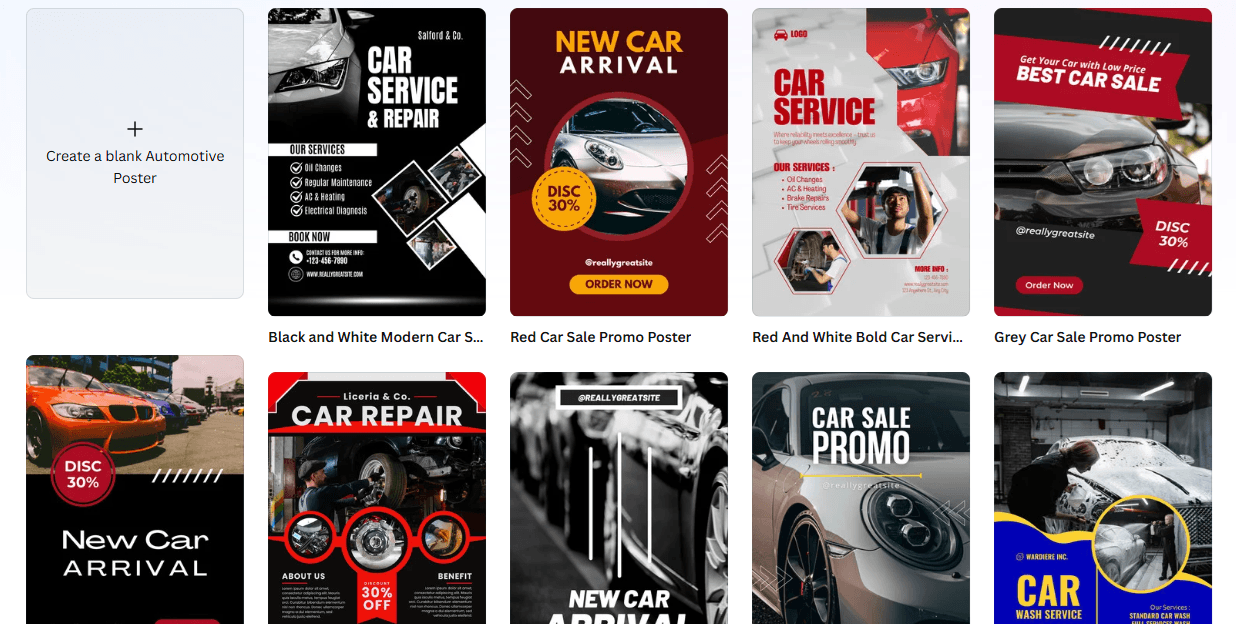
This removes a major barrier. It allows your team to move quickly and keep content fresh without added cost.
When designing your content, focus on clarity over complexity. Use large fonts, strong visuals, and minimal text. Customers should understand your message in seconds, not minutes.
Step 4: Install screens strategically
Placement matters just as much as content. A perfectly designed screen will not perform if it is in the wrong location.
You need to think about how customers move through your space and where screens can add value at each step.
Key placement areas include:
Showroom entrance to capture attention immediately
Next to featured vehicles to provide additional information
Waiting areas to reduce perceived wait times
Service desks to promote add-ons and explain services
High-traffic walkways where customers naturally pause
Do not overload your space with screens. Focus on high-impact locations where customers are already looking or waiting.
Also consider visibility. Screens should be easy to read from a distance and positioned at natural viewing angles.
Step 5: launch and optimize
Once your system is live, your work is not done. The most successful digital signage strategies are constantly evolving.
This is where Juuno’s playlist and scheduling features become powerful. Instead of showing the same content all day, you can create dynamic content flows that change based on time, audience, or location.
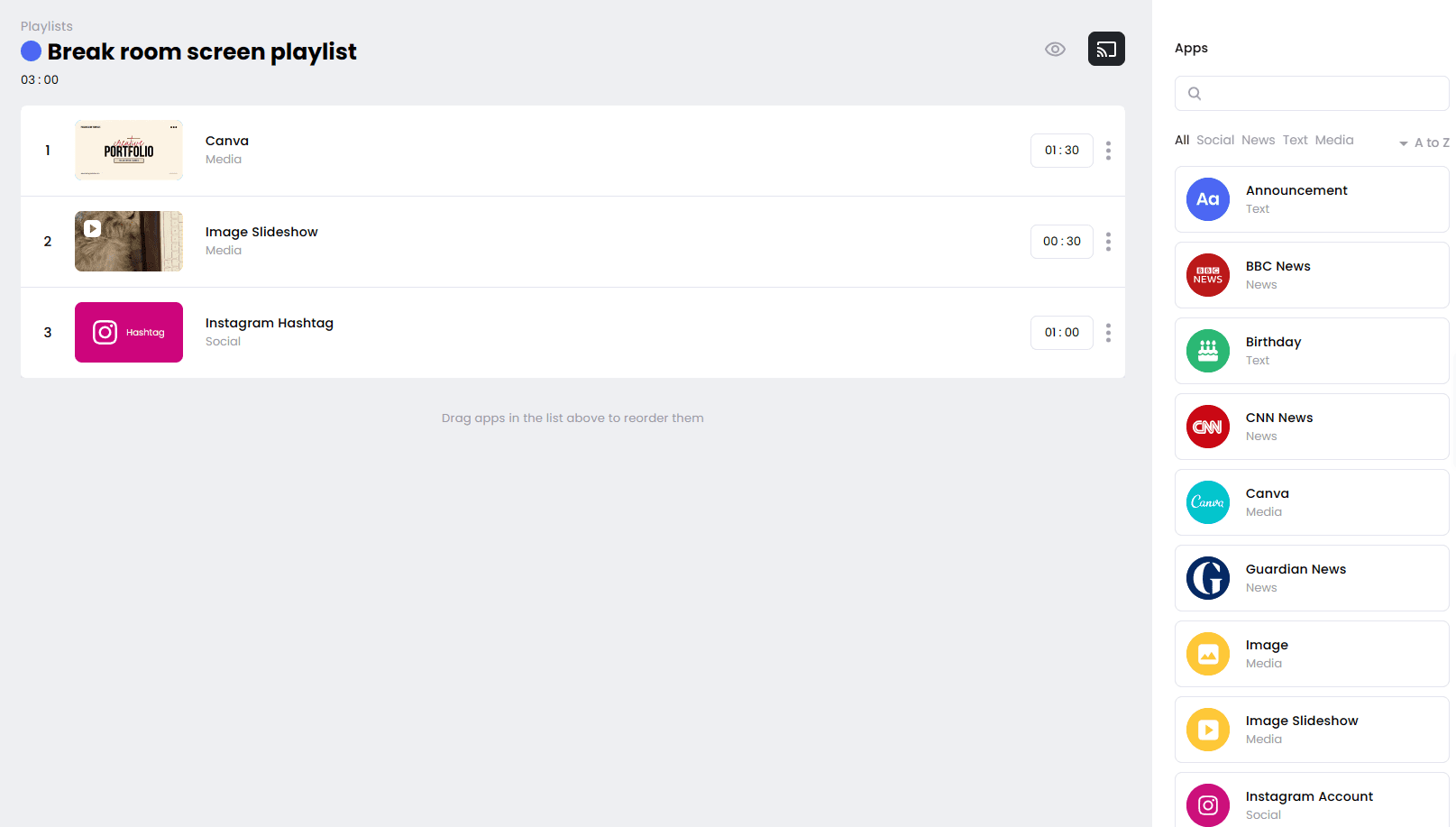
For example, with our digital signage content manager, you can:
Show promotions during peak showroom hours
Display service content in the morning and upsells in the afternoon
Rotate multiple messages throughout the day to avoid repetition
Schedule seasonal campaigns in advance
Juuno’s playlist system works like organizing a music playlist. You choose your content, set the order, and decide when it plays. This keeps your screens fresh without requiring constant manual updates.
As you optimize, focus on a few key actions:
Test different types of content and messaging
Observe how customers interact with your screens
Update underperforming content regularly
Keep visuals fresh so screens do not become ignored
Small improvements over time lead to significant results. The businesses that treat digital signage as an ongoing strategy, not a one-time setup, see the biggest impact.
By following these steps and using a flexible platform like Juuno, you can implement automotive digital signage quickly and effectively. More importantly, you can build a system that grows with your business and continues to deliver value over time.
The future of digital signage in dealerships
The role of digital signage will continue to grow as customer expectations and technology evolve. Businesses that adopt these trends early will be better positioned to deliver modern, high-impact experiences.
Interactive and personalized experiences: Future systems will become more personalized, with content that adapts based on customer behavior, preferences, or even location. This will allow dealerships and service centers to deliver more relevant messaging that feels tailored to each individual.
Omnichannel integration: Digital signage will connect more closely with online systems, creating a seamless experience between your website and physical location. Customers will be able to scan QR codes, browse real-time inventory, and continue their journey across channels without friction.
Data and analytics: Analytics will play a bigger role in digital signage strategy. Businesses will be able to track engagement, measure content performance, and make data-driven decisions to continuously improve results.
Frequently asked questions
What is digital signage for car dealerships?
Digital signage for car dealerships uses screens to display vehicle information, promotions, service menus, and other content across your showroom, service department, and waiting areas. It replaces printed materials with content you can update instantly, helping guide customers through their visit without relying entirely on staff availability.
Where should dealerships place digital signage screens?
The highest-impact locations are the showroom entrance, next to featured vehicles, the service desk, and the customer waiting area. Each location serves a different purpose. Entrance screens capture attention, vehicle screens explain features, service desk screens build transparency, and waiting area screens reduce perceived wait times.
What content works best in a car dealership?
Current financing offers, vehicle feature videos, service menus with pricing, customer testimonials, and seasonal promotions all perform well. The key is rotating content regularly so repeat visitors see something new. Scheduling different content by time of day, such as promotions in the morning and service upsells in the afternoon, also improves results.
Do I need specialist hardware to get started?
No. Most dealerships start with existing smart TVs and run Juuno through a web browser or a device like a Fire Stick or Chromecast. You can scale up to commercial displays over time, but the software works with what you already have.
How does digital signage reduce pressure on sales staff?
Screens handle the early stages of customer education, explaining trim levels, showing financing options, and highlighting current offers, so customers arrive at conversations with salespeople already informed. This shortens the sales process and shifts staff time toward closing rather than explaining.
Can I manage screens across multiple dealership locations?
Yes. Juuno lets you manage content across all your locations from one dashboard. You can push the same content everywhere or customize what each location displays, which is useful when promotions or inventory differ by site.
Improve the customer experience at your auto dealership with Juuno.


Thomas leads Juuno's backend — the unglamorous engineering that keeps 10K+ screens running across 128 countries without phoning home at 3am. A full-stack developer who's spent his career in the trenches at startups, advertising agencies, and creative boutiques — quietly fluent in whatever stack the moment requires. Based in Laguna Beach.
