Case Study

"With Juuno, Splashway was able to deliver sophisticated capabilities through an affordable, simple to implement solution."
From Early Adopters to Overdue for a Change
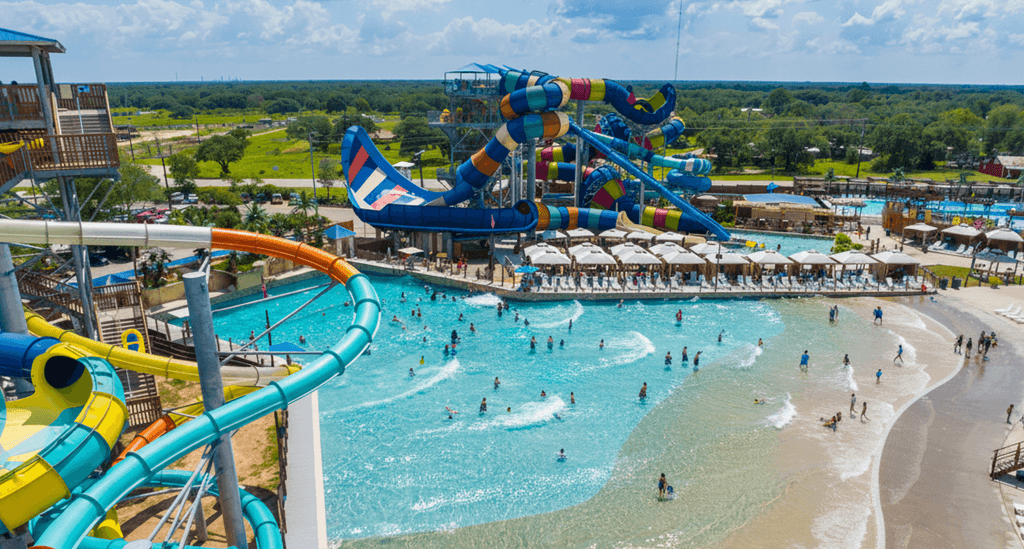
Splashway Waterpark & Campground isn't your typical water park. Nestled in Sheridan, Texas, this family-owned destination blends water slides and wave pools with camping, fishing, sports courts, and a full-service campground. It's a place built on hospitality — and since 2017, digital signage has been part of how they deliver it.With 40 screens spread across restaurants, retail areas, and guest-facing spaces, Splashway was an early adopter of digital signage. But as the years went on, their setup became a problem. The original CMS provider kept raising prices — eventually charging $25 per screen, per month — and the hardware was a mismatched collection of Chrome sticks, Raspberry Pi units, and various 4K media players. Each device had its own quirks, its own failure modes, and its own way of falling off the Wi-Fi at the worst possible moment.The old players took forever to set up, the provider shipped different hardware every time, and connectivity was terrible. Screens dropped offline constantly — especially during peak season when they mattered most. For a park that relies on signage to promote season passes, display menus, and keep guests informed, every downed screen meant lost revenue.
Why Splashway Chose Juuno
When Kris Green started evaluating digital signage software replacements, the priorities were clear: reliability, simplicity, and a price that wouldn't scale out of control as they added more screens.Juuno stood out immediately. The per-screen pricing dropped from $25/month to just $5/month — saving Splashway over $7,000 a year across their ~30 screens. But it wasn't just about price. Juuno's drag-and-drop editor meant the team didn't need technical expertise to create and update content. Menu changes that used to require a chain of approvals and manual uploads could now be handled directly by the people closest to the content.Paired with the Amazon Signage Stick — a purpose-built device that replaced the patchwork of consumer hardware — Splashway finally had a consistent, reliable foundation. Every screen running the same hardware. Every screen managed from one dashboard. No more troubleshooting why screen 14 in the snack bar went offline again."First, the price — there's nothing beating it," says Kris. "Secondly, the ease of use and features. It has been so easy to use."

"Switching to Juuno was one of the best cost and headache-saving decisions we've made. It's the easiest to use and cheapest we've found. We speak directly with Mike about features we'd like to see — he's always just an email away."
Kris Green
Rolling It Out Across the Park
Deploying the new system was remarkably straightforward. Kris handled the entire migration himself — swapping out every old player and getting each screen switched over to Juuno. The only additional help was one IT team member who ran ethernet cables to the TVs for a more stable connection.Using the Amazon Signage Stick's mobile app, each device was provisioned over Bluetooth in under 60 seconds — connected to the network and paired with Juuno before the packaging hit the recycling bin. Once a screen was online, it pulled its assigned content automatically. No USB drives. No manual configuration on each TV.The rollout covered restaurant menu boards, promotional displays in retail areas, and informational screens throughout the park. Because Juuno saves Wi-Fi profiles to each device, screens that lose power during Texas storms reconnect and resume playback on their own — a small detail that eliminates a surprisingly large amount of maintenance.
Features
Features Used by Splashway
Menu Boards
Update restaurant menus across the park instantly — no USB drives or manual uploads.
Scheduling
Set seasonal promotions, event announcements, and menu changes to go live automatically.
Remote Management
Manage every screen from one dashboard — no need to physically visit each display.
Drag & Drop Editor
Create and update content without any design or technical skills required.
Slideshow & Video
Rotate through promotional images, videos, and announcements on any screen.
Multi-Location
Group screens by area — restaurants, retail, guest zones — and push targeted content to each.
The Results: Less Cost, More Creativity
The numbers tell one story: Splashway cut their annual signage costs from $9,000 to under $1,800 while managing more screens than ever. But the bigger shift has been operational.One of the team's favourite Juuno features is the countdown timer. They run season pass promotions with a live countdown to the sale deadline — creating urgency on every marketing screen in the park. "It's a constant reminder to our guests that they should upgrade," says Kris. They also use Juuno to manage restaurant menus and rotate promotional content across the park.More recently, Splashway has started experimenting with Juuno's entertainment features — YouTube integration, trivia games, and more — to enhance the guest experience in waiting areas. And the addition of live weather updates and daily activity schedules to their screens has already drawn compliments from visitors. Showing guests what activities are available drives engagement — and revenue.The consistency matters too. Every screen in the park now runs identical hardware, connected to one platform. When something needs to change, it changes everywhere at once. When a new screen needs to go up, it's provisioned in 60 seconds. That kind of simplicity compounds over time.
What's Next for Splashway
With a reliable, affordable foundation in place, Splashway is already planning what comes next. The park is expanding with 70 new guest cabanas — each one a candidate for its own screen. They're also exploring real-time wait-time displays at water slides, turning signage from a communication tool into part of the guest experience itself.Beyond that, Splashway is working toward placing screens outside food and beverage locations to notify guests when their orders are ready via their kitchen display system — the kind of operational improvement that wasn't practical under the old setup.None of this would have been feasible before. At $25 per screen per month, scaling to 100+ screens would have been a budget conversation. With Juuno, it's just a matter of plugging in another Amazon Signage Stick and assigning content.