Digital signage is transforming convenience stores by making it easier to engage customers, promote products, and streamline operations. With dynamic digital displays, c-stores can showcase promotions, digital menu boards, and real-time updates—offering a modern shopping experience that boosts both sales and efficiency.
Customer engagement is key in a fast-paced retail environment. Our own platform data shows 94% of businesses lead with static images on their screens. A well-designed promo graphic still outperforms a complicated content calendar for most convenience stores.
Digital signage captures attention at checkout, beverage stations, and high-traffic areas, influencing impulse purchases and reinforcing brand loyalty. Unlike static signage, digital displays allow for instant updates, ensuring that promotions, pricing, and seasonal offerings remain relevant.
I've walked through enough convenience stores mid-renovation to know the screens that actually get noticed are the ones near the register or the fountain drink station.
Whether you want to drive loyalty or sales, we've got the right setup and content tips. Now, let’s explore how to set up digital signage for your convenience store.
All about digital signage for convenience stores
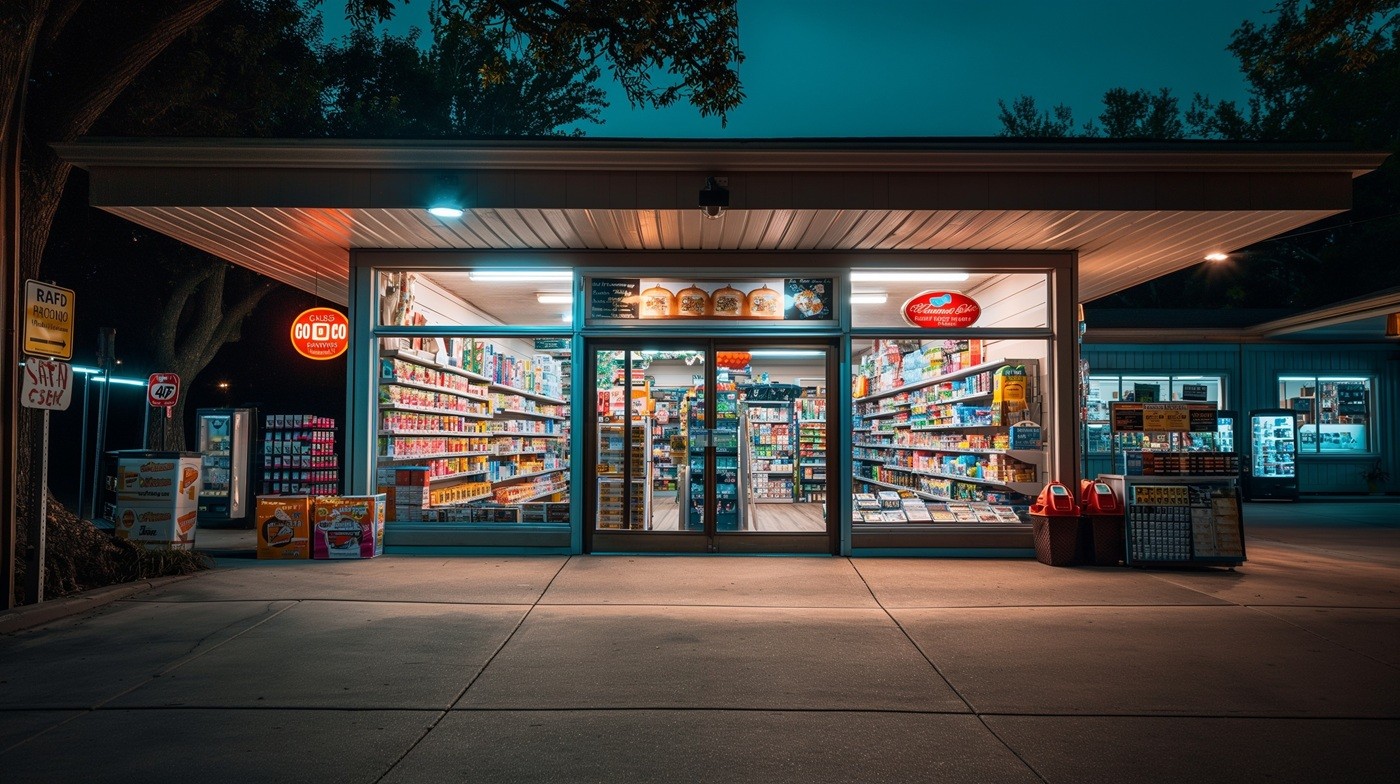
Digital signage is a modern solution that allows convenience stores to display menus, promotions, and announcements on smart TVs. Instead of relying on static signs, digital signage enables real-time updates and engaging content that captures customer attention. Whether it’s a digital menu board at the checkout or a promotional screen near the beverage section, digital signage helps c-stores drive sales and create a more interactive shopping experience.
Benefits of digital signage for convenience stores:
Increase sales and impulse purchases: Well-placed digital signs highlight limited-time offers, promotions, and high-margin products, encouraging impulse buys. By showcasing deals near checkout areas or self-serve stations, stores can significantly boost sales.
Improve customer experience and engagement: Customers are more likely to engage with dynamic, visually appealing content. Whether it’s displaying helpful product information or entertainment while they wait in line, digital signage keeps shoppers informed and engaged.
Reduce labor costs by automating promotions: Updating traditional signage takes time and effort. With digital signage, stores can schedule promotions in advance, reducing manual work and ensuring timely, automated updates.
Easy content updates compared to static signage: No need to print new posters or menus. Digital signage allows instant updates to reflect price changes, seasonal promotions, or new inventory—all managed remotely from an easy-to-use platform like Juuno.
How to plan a convenience store's digital signs
A successful digital signage strategy starts with careful planning. Before choosing screens or content, define your store’s goals, identify the best placement areas, and consider how to maximize customer engagement.
Step 1. Define your goals
What do you want to achieve with digital signage? Common objectives include:
Upselling & promotions: Highlight limited-time deals, new arrivals, and bundle offers to increase sales.
Customer education: Display product information, nutrition facts, or how-to guides.
Entertainment: Keep customers engaged with dynamic content like weather updates, news, or social media feeds.
Step 2. Identify high-impact placement areas
For maximum visibility and engagement, place screens in strategic locations:
Entry points: Create a strong first impression with promotions or loyalty program details.
Checkout counters: Encourage last-minute purchases and promote rewards programs.
Beverage & snack aisles: Showcase new or high-margin products to drive impulse buys.
Gas station pumps (if applicable): Engage customers with promotions while they refuel.
Step 3. Decide on the number and size of digital signs
Consider store layout, foot traffic, and available wall space when selecting screens. Larger displays work best in high-traffic areas, while smaller screens near checkout counters can highlight specific promotions.
Step 4. Enhance customer engagement
Boost interactivity with:
QR codes: Direct customers to online promotions, loyalty sign-ups, or product details.
Loyalty programs: Display exclusive deals to encourage repeat visits.
Social media feeds: Feature user-generated content or store updates to build community engagement.
By planning strategically, you can create a digital signage system that enhances customer experience and drives revenue.
Here's how to choose the perfect digital signage software for your store
Selecting the best digital signage software is crucial for a smooth and effective setup. The right platform should be easy to use, scalable, and cost-effective for your convenience store.
Easy content management
Look for software that allows you to quickly update promotions, menu boards, and announcements without technical expertise. A simple drag-and-drop interface or template-based system makes content updates effortless.
Cloud-based access and remote updates
With cloud-based software, you can manage your digital displays from anywhere. Whether you need to adjust pricing, schedule promotions, or change menu items, cloud access ensures real-time updates without being on-site.
Playlist scheduling for different promotions
A good digital signage solution should let you schedule different content at specific times. Display breakfast specials in the morning, afternoon snack deals later in the day, and loyalty program promotions at checkout—all automatically.
According to our data, only 8% of businesses currently use time-based scheduling. A breakfast-to-afternoon swap is an easy way to be ahead of most c-store setups still running one static loop all day.
Integration with digital menu boards and promotions
For convenience stores offering food and beverages, integrating digital menu boards is essential. Choose software that seamlessly displays menus, updates pricing, and highlights limited-time offers without manual intervention.
Affordable pricing
Digital signage should be cost-effective. Juuno offers an easy-to-use platform at just $5 per screen per month—eliminating the need for expensive hardware while providing robust features tailored for small businesses.
7 content ideas that work for c-stores
The right content can turn your digital signage into a powerful tool for driving sales and keeping customers engaged. From menu boards to promotions, here are some top content ideas to maximize the impact of your digital displays.
1. Digital menu boards for food and beverage items
If your convenience store sells fresh food, coffee, or grab-and-go snacks, a digital menu board is a must. Easily update pricing, showcase daily specials, and highlight high-margin items without the hassle of reprinting menus.
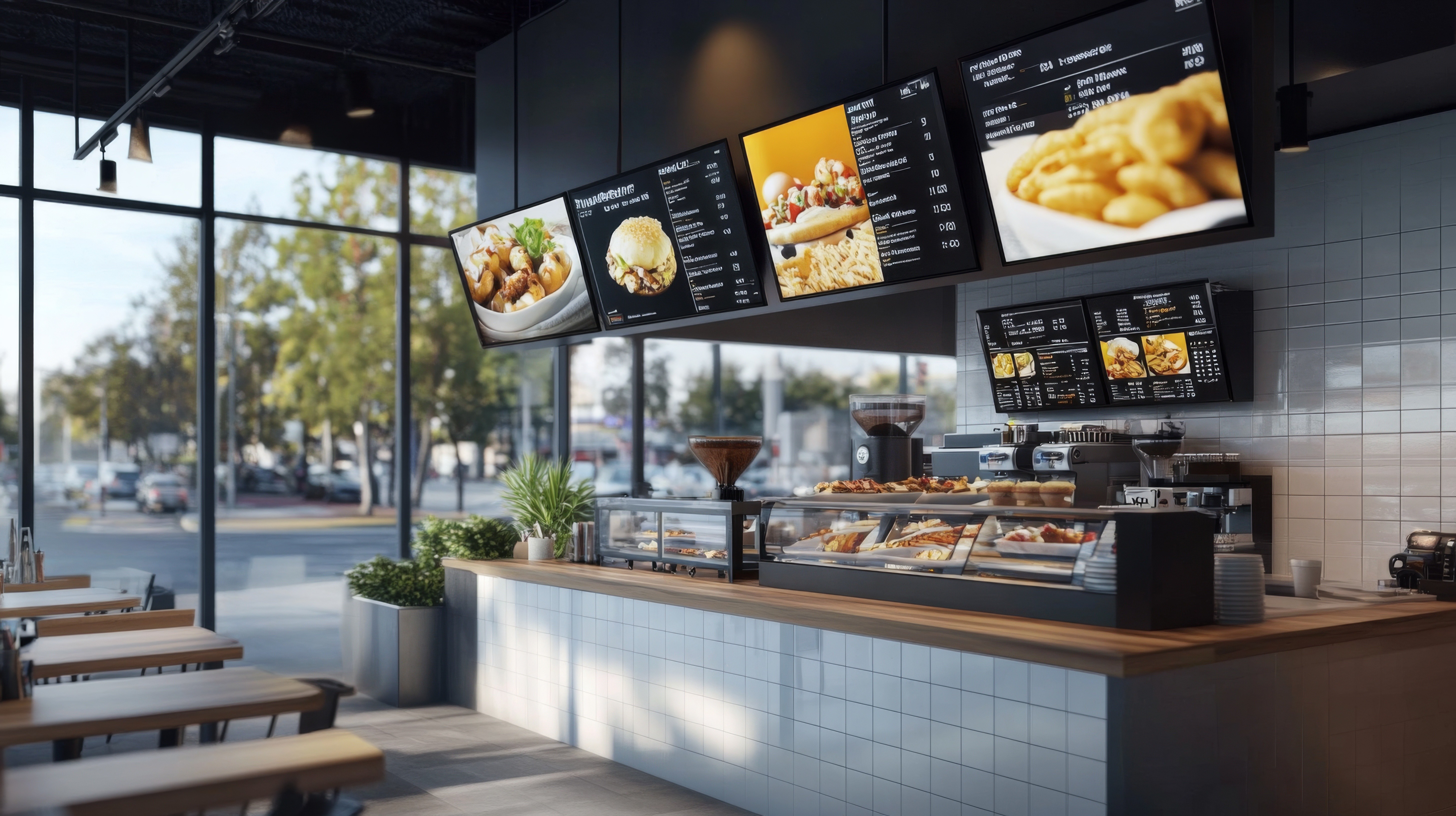
2. Limited-time offers and promotions that drive sales
Create urgency and encourage impulse purchases by displaying limited-time deals. Whether it’s a two-for-one snack combo or a fuel discount with a store purchase, digital signage ensures customers never miss a great offer.
3. Loyalty program incentives that keep customers coming back
Boost customer retention by promoting your store’s rewards program. Show real-time points updates, exclusive member discounts, and special perks to encourage sign-ups and repeat visits.
4. Weather and news updates to keep customers engaged
Make your store a go-to stop by displaying local weather updates, breaking news, or sports scores. Keeping customers informed adds value and increases dwell time, leading to more purchases.
5. Social media feeds and customer-generated content
Feature live social media updates, customer reviews, or user-generated content to build trust and engagement. Encourage customers to tag your store on Instagram or Twitter for a chance to be featured on your screens.
From our platform research, Instagram is the clear leader in social content on our platform. 23% of businesses pull it in, well ahead of any other platform.
6. In-store navigation and product locators for convenience
Help customers find what they need quickly by displaying aisle maps and product locations. This is especially useful in larger convenience stores or stores with specialty sections.
7. Advertisements from partnered brands for extra revenue
Maximize your signage by selling ad space to suppliers and brands. Feature sponsored content from beverage companies, snack brands, or local businesses to generate additional income while keeping customers engaged.
Top 5 digital signage tools for convenience stores
Check out these digital signage software platforms, all of which can work well for convenience stores.
1. Juuno
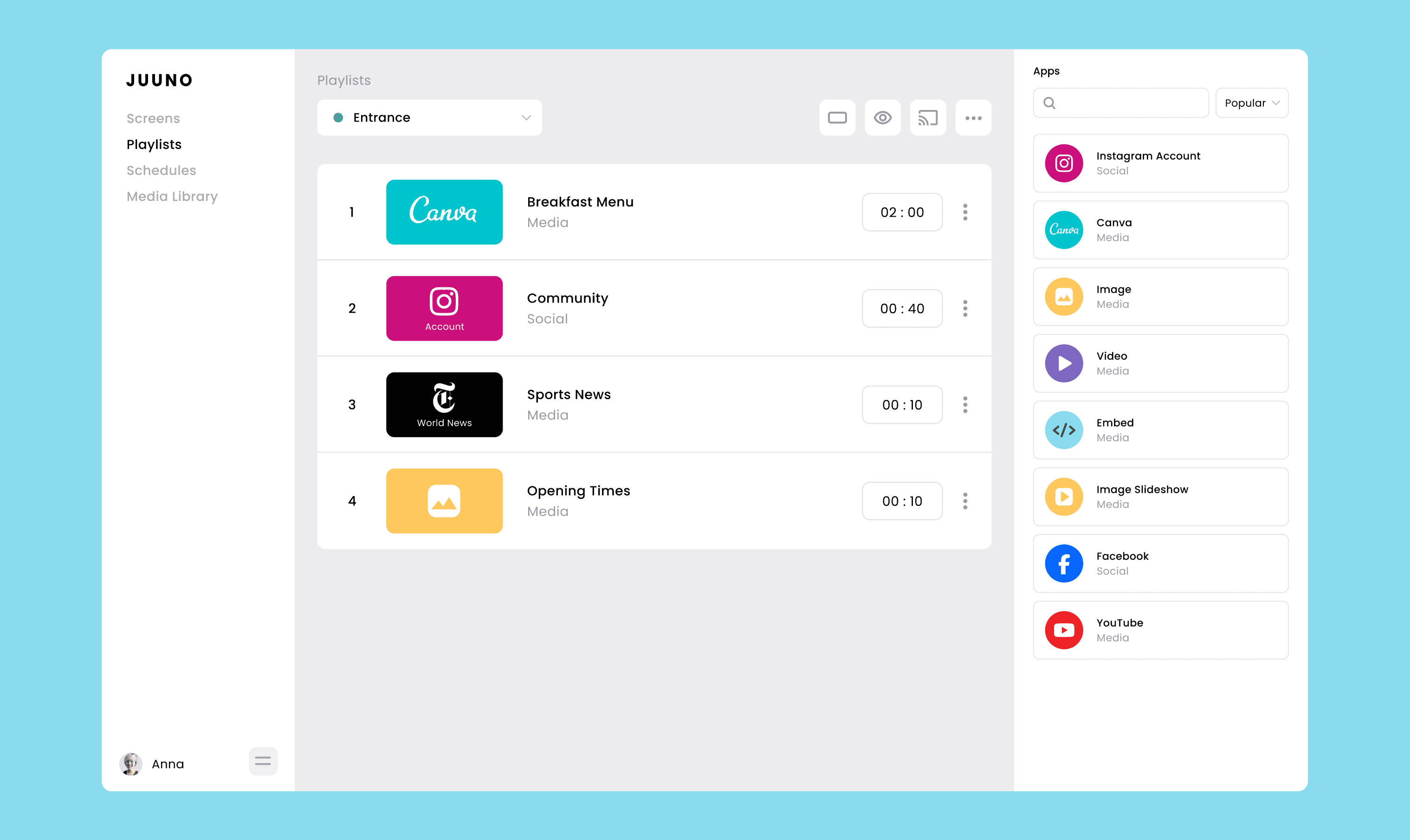
Juuno is a simple, cost-effective digital signage solution designed for small businesses. With an intuitive interface and playlist-based setup, Juuno makes it easy to create and manage engaging content without technical expertise.
Key features:
Works on any TV, PC, or tablet with a web browser
Playlist-style content management
Automated scheduling for fresh, dynamic displays
Social media feed integration
Supports images, videos, Canva designs, and live feeds
Remote access for easy updates
Affordable at just $5 per screen per month
2. OptiSigns
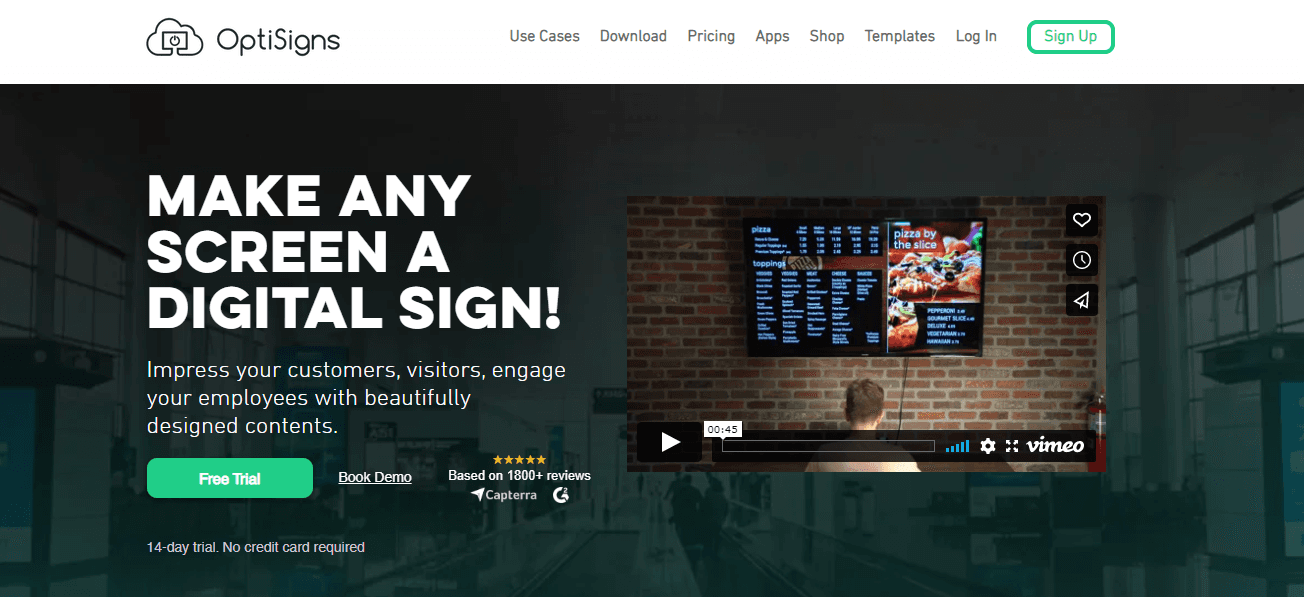
OptiSigns provides a wide range of customizable templates for digital signage, making it a flexible solution for convenience stores. It is optimized for Amazon Fire TV and Fire Stick, allowing for easy setup and management.
Key features:
Works on smart TVs, desktops, and tablets
Extensive template library for various use cases
Supports images, slides, and videos
Offline play for uninterrupted displays
Data mapping for dynamic content updates
Custom font uploads for branded designs
3. ScreenCloud
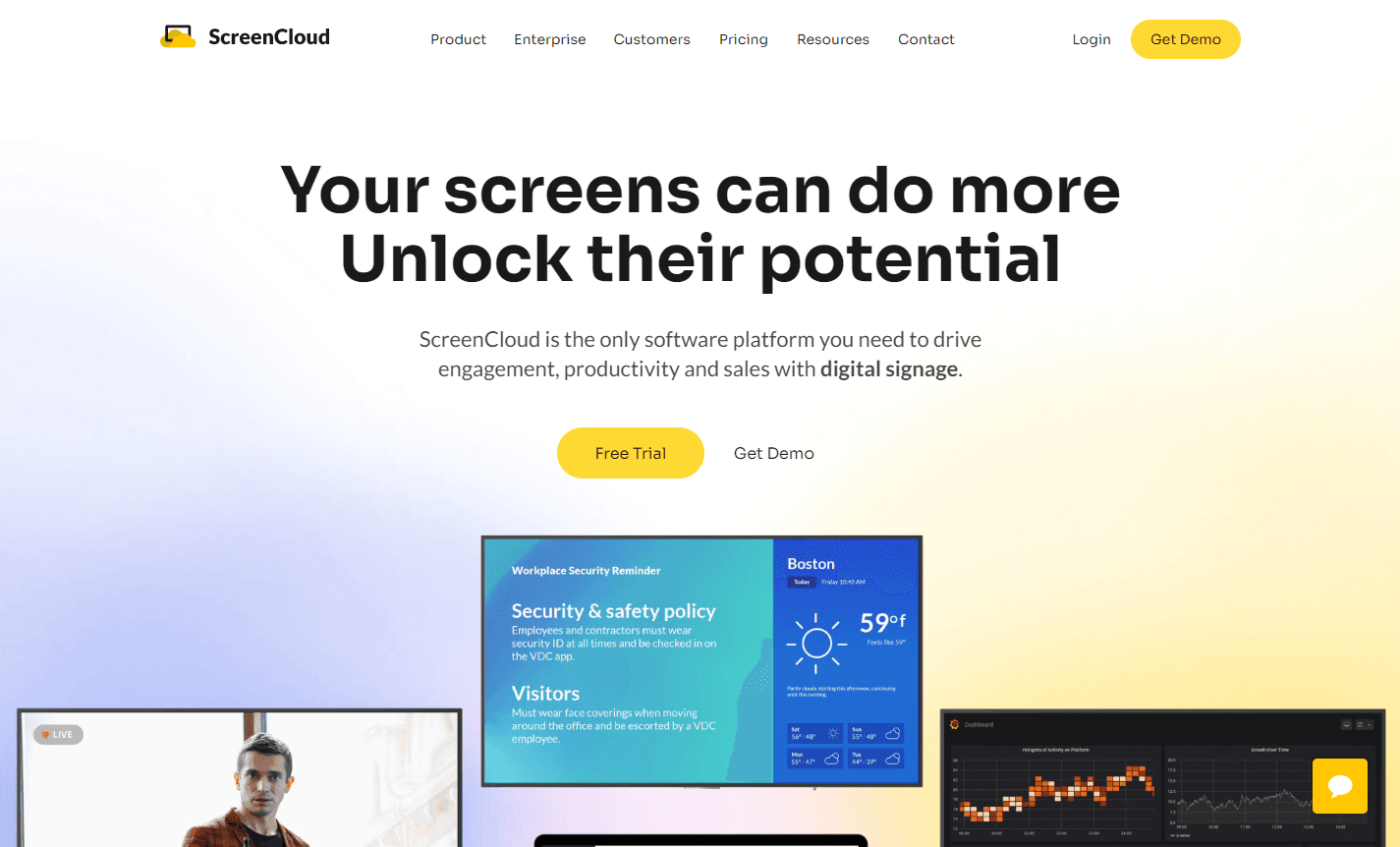
ScreenCloud is a powerful digital signage solution designed for businesses that need to manage multiple screens across different locations. Its cloud-based platform makes it easy to control and update content remotely.
Key features:
Centralized management for multiple screens
Social media integrations for dynamic content
Built-in weather widget for real-time updates
Business analytics dashboards for data-driven insights
Video broadcasting capabilities
4. OnSign TV

OnSign TV is a professional-grade digital signage platform built for enterprise users who need robust content management and advanced customization options.
Key features:
Comprehensive content management system
Multilanguage functionality for global use
Works on smart TVs and web browsers
Advanced layout designer for custom screen setups
Extensive template library for streamlined content creation
Animated content transitions for dynamic displays
Custom services including app integrations, training, and consulting
5. NoviSign
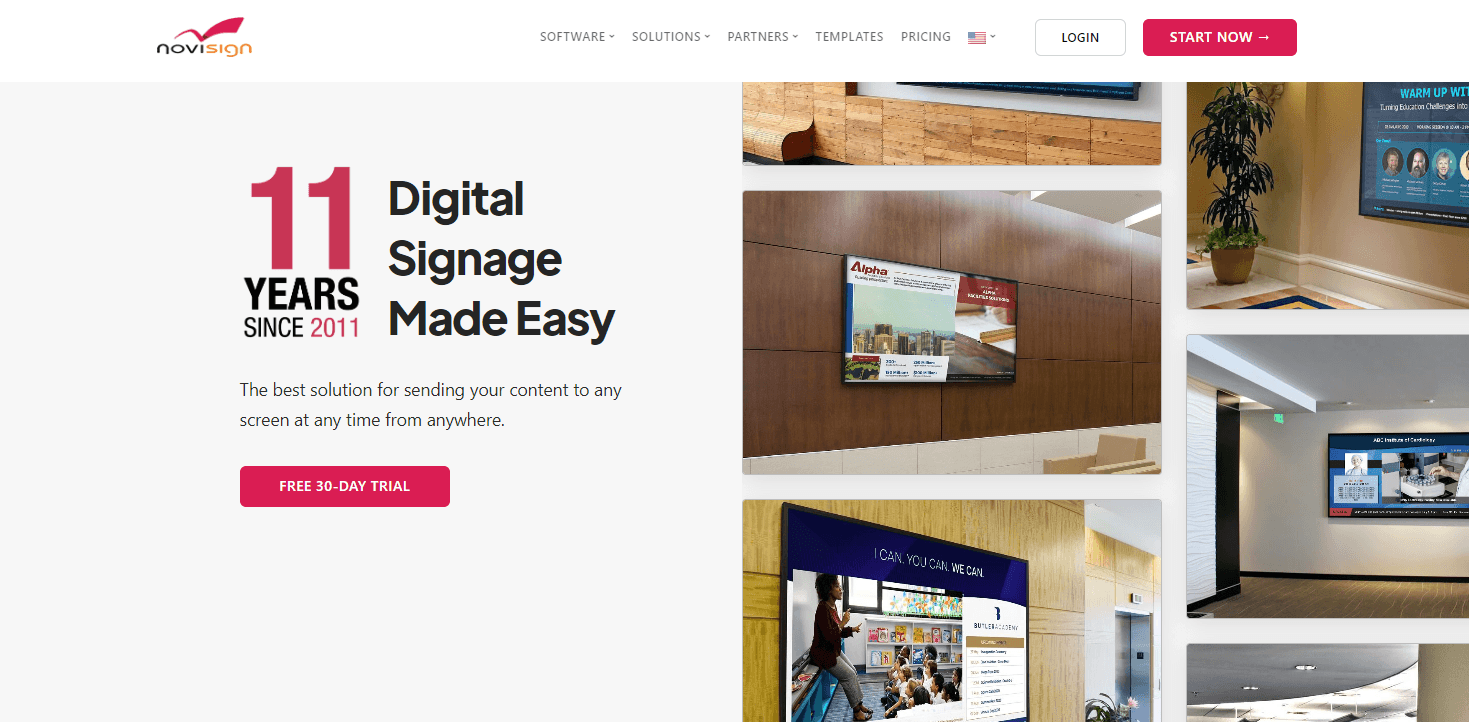
NoviSign is a versatile digital signage platform designed for businesses that need engaging, interactive content. Its drag-and-drop interface and widget library make it easy to create dynamic displays.
Key features:
Social media integrations for live updates
Weather and clock widgets for real-time information
Drag-and-drop content designer for easy customization
Data dashboards for analytics and insights
Built-in media player for seamless content playback
Interactive touchscreen kiosks for wayfinding and customer engagement
Setting up your digital signage with Juuno
Getting started with digital signage is simple with Juuno. From choosing the right screens to launching your content, follow these steps to set up an effective and engaging digital display system for your convenience store.
Step 1. Choose your screens
Your digital signage starts with the right screen. A smart TV with a built-in web browser is the easiest and most cost-effective choice.
Best smart TVs:
Samsung Smart TVs (great balance of quality and price)
LG and Sony Smart TVs with web browser capabilities
Amazon Fire TVs (compatible with digital signage software)
Recommended screen size and resolution:
32"–43" screens for checkout counters and smaller display areas
50"–65" screens for high-traffic zones like entrances and beverage aisles
4K resolution for crisp, clear visuals that grab attention
Step 2. Install and mount the screens
Proper screen placement ensures maximum visibility and customer engagement.
Best mounting options for different store layouts:
Wall mounts: Ideal for checkout areas and product aisles
Ceiling mounts: Great for limited wall space and high-traffic locations
Freestanding displays: Perfect for promotional content near entryways
Step 3. Sign up for Juuno and upload content
Once your screens are set up, it’s time to create and schedule content using Juuno’s user-friendly platform.
To start creating and scheduling content in Juuno, log in to your account and access the content dashboard. From there, you can create content playlists by adding images, videos, social media feeds, and promotions. One of the easiest ways to create content is making a PowerPoint presentation for your digital signage.
Once your playlists are ready, set a content schedule that aligns with your store’s needs—for example, showcasing breakfast deals in the morning and afternoon promotions later in the day. Enhance your display with widgets like weather updates, news, and customer engagement elements to keep content fresh and interactive. Before launching, preview your display to ensure everything looks perfect, making any necessary adjustments for the best presentation.
Step 4. Launch and monitor performance
Once your content is live, keep it fresh and engaging with regular updates.
Here are some ideas for what to monitor and adjust:
Adjust promotions based on inventory and seasonal offers.
Refresh graphics and announcements to keep content relevant.
Swap out underperforming content with new eye-catching designs.
Use the dashboard to monitor what’s playing in real time.
Update schedules, swap content, or add new promotions remotely.
Ensure displays are always running the most relevant and engaging content.
I always tell store owners to check their screen again a week after launch, not just on day one. That's usually when the 'set it and forget it' habit kicks in, and it's worth catching before content goes stale.
By following these steps, you can set up a dynamic and easy-to-manage digital signage system that enhances customer experience and drives sales in your convenience store.
Juuno is the best digital signage software for small businesses like convenience stores that want it running today. Ready to set up digital signs in your store? Learn more about Juuno.


Thomas leads Juuno's backend — the unglamorous engineering that keeps 10K+ screens running across 128 countries without phoning home at 3am. A full-stack developer who's spent his career in the trenches at startups, advertising agencies, and creative boutiques — quietly fluent in whatever stack the moment requires. Based in Laguna Beach.
